Ever found yourself staring at your garden tools, ready to give your trees a little trim, but feeling that niggling doubt in the back of your mind? You’re not alone! Pruning can feel like walking a tightrope between enhancing your tree’s growth and accidentally turning it into a sad, leafless stick. So, let’s talk about how to keep your trees happy, healthy, and looking their best.
In the spirit of turning mistakes into learning opportunities, here’s a quick peek at what we’re learning today:
- Over-pruning
- Wrong timing
- Using dull tools
- Topping the tree
- Ignoring safety
- Pruning without a plan
- Skipping the clean-up
Let’s journey through the do’s and don’ts of tree pruning, ensuring you’ll come out the other side as a bit of a tree-whisperer.
- The Over-Enthusiastic Snipper
We get it; it’s therapeutic to snip away. But here’s the thing: trees need their leaves to make food, and over-pruning can starve them. A good rule of thumb is never to remove more than 25% of a tree’s crown in a single year. Imagine giving yourself a haircut and accidentally ending up with a buzz cut. Not the plan, right?
- Timing is Everything
Pruning at the wrong time can invite pests or diseases and can also affect the tree’s flowering and fruiting. Generally, late winter or early spring is the sweet spot. It’s like sending out party invitations; timing matters unless you want a lonely party.
- Dull Tools: A Gardener’s Nightmare
Have you ever tried cutting a tomato with a blunt knife? It’s a mess. The same goes for pruning. Dull tools can damage branches, leading to tears that heal poorly. Keep your tools sharp as a tack. Your trees will thank you with clean cuts that heal faster.
- The Horror of Topping
Topping is chopping off the top of a tree. It’s the equivalent of cutting off all your hair because you found one split end. Not only does it harm the tree’s structure, but it also promotes weak, fast-growing shoots that can break off easily. If you’ve ever seen a tree that looks more like a broomstick than a tree, you’ve seen topping in action.
- Safety First, Always
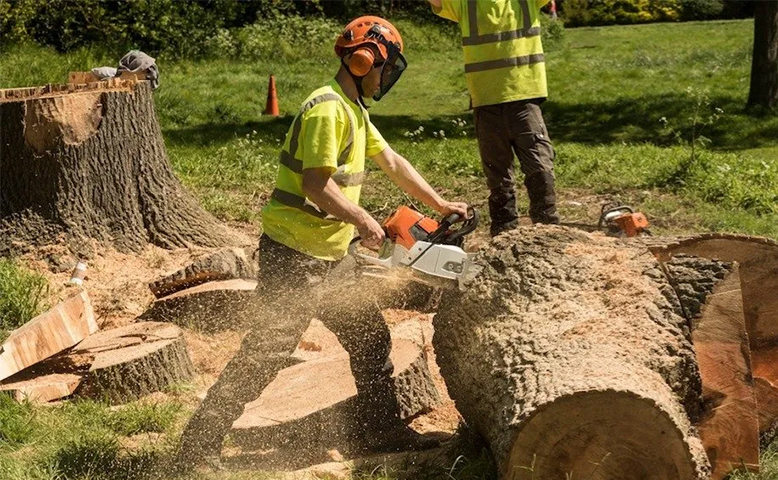
Pruning without taking proper safety precautions is like juggling knives. It’s more about when you’ll get injured, not if it will happen. Always wear safety gear and pay attention to what’s around you, especially when using electric tools or working up high.
- The Aimless Pruner
Pruning without a plan is like going grocery shopping when you’re hungry and without a list. You might find yourself with a shopping cart full of unhealthy snacks and feeling sorry afterward. Every trim you make on a tree should have a clear reason, like getting rid of dead branches, helping the tree look better, or making it grow more.
- The Clean-up Conundrum
After a pruning session, leaving the fallen branches and leaves can attract pests and diseases. It’s like leaving dirty dishes out; sooner or later, you’re going to get ants. Clean up thoroughly to keep your garden tidy and your trees healthy.
Summary
Pruning trees is like creating art mixed with some science and good common sense. Every tree is special in its own way, so what helps one tree might not be right for another. Also, if you steer clear of these usual mistakes, you’re setting your trees up for a long and healthy life. It’s about using your eyes and your knowledge to see what each tree needs, treating them all as individuals. By doing this, you’re not just avoiding harm but also helping your trees to thrive, grow strong, and add beauty to your garden for years to come. So, remember, a little care and attention can go a long way in the world of tree pruning.
Branching Out: FAQs
When is the best time to prune most trees?
Late winter or early spring, just before the growing season begins, is ideal for most trees. It minimizes stress and allows for vigorous spring growth.
Can I prune my trees in the fall?
It’s generally not recommended to do heavy pruning in the fall since cuts heal slower during this time, increasing the risk of disease.
How can I tell if my pruning tools are sharp enough?
A sharp tool will make a clean cut without crushing or tearing the branch. Test it on a small twig; if it slices through smoothly, you’re good to go.